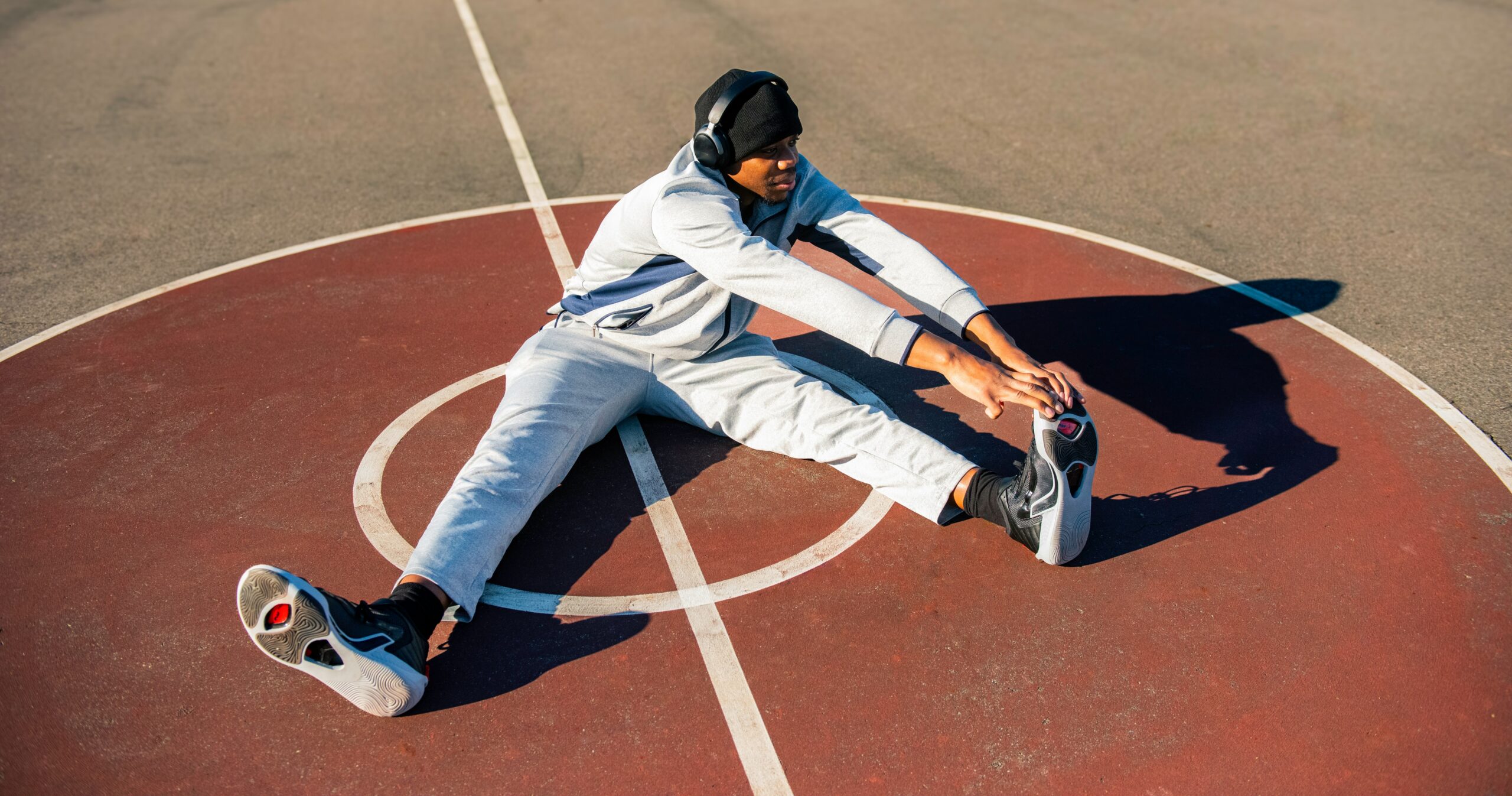
Sports are more than games played on fields, courts, or tracks. They are expressions of discipline, resilience, and self-discovery. For sports enthusiasts, an active, competitive mindset is not limited to professional athletes. Anyone with passion and commitment can unlock their athletic potential and experience the physical and mental rewards that sports offer.
This guide explores how sports enthusiasts can elevate their mindset, habits, and performance to embrace an athletic lifestyle fully.
Understanding What It Means to Be an Athlete
Being an athlete is not defined by trophies or titles. It is determined by mindset, consistency, and a willingness to grow. Athletes commit to improvement, respect the process, and view challenges as opportunities.
Sports enthusiasts who adopt this mindset view physical activity as a lifestyle rather than an occasional hobby. This shift lays the foundation for long-term motivation and progress.
Building a Strong Athletic Mindset
Mental strength is the backbone of athletic development. Confidence, focus, and resilience influence performance as much as physical ability.
Training the mind involves setting intentions, visualizing success, and maintaining discipline during challenging moments. Learning to manage pressure and self-doubt allows sports enthusiasts to perform with clarity and purpose.
A strong mindset transforms effort into results and setbacks into lessons.
Setting Clear and Purposeful Goals
Goals provide direction and structure. Without them, effort can become unfocused, and motivation may fade.
Practical goals are realistic, measurable, and aligned with personal interests. Whether improving endurance, mastering a skill, or staying consistent, clear objectives create momentum.
Breaking larger goals into smaller milestones keeps progress visible and motivation high.
Developing a Consistent Training Routine
Consistency is the key to athletic growth. Regular training builds strength, coordination, and confidence over time.
A balanced routine includes cardiovascular activity, strength training, flexibility work, and recovery. Variety prevents boredom and reduces the risk of injury.
Sports enthusiasts who train consistently, even at moderate intensity, often outperform those who rely on sporadic bursts of effort.
Mastering the Fundamentals of Nutrition
Nutrition fuels performance and recovery. What you eat directly affects energy levels, focus, and physical output.
A balanced diet includes adequate protein for muscle repair, carbohydrates for energy, healthy fats for endurance, and hydration for overall function. Consistency matters more than perfection.
Understanding basic nutrition principles empowers sports lovers to support their bodies effectively.
Prioritizing Recovery and Rest
Recovery is not a weakness but a necessity. Muscles grow and adapt during rest, not during training itself.
Sleep, stretching, and active recovery help prevent burnout and injury. Listening to your body ensures sustainable progress.
Athletes who respect recovery often experience better performance and longer-lasting motivation.
Learning Proper Technique and Skill Development
Technique enhances efficiency and reduces the risk of injury. Learning proper form is essential for both beginners and experienced enthusiasts.
Coaching resources, instructional content, and feedback accelerate skill development. Practicing fundamentals builds a strong base for advanced performance.
Continuous learning keeps sports engagement challenging and rewarding.
Embracing Cross-Training for Versatility
Cross-training introduces different movements and challenges, improving overall athleticism. It enhances coordination, balance, and adaptability.
Trying new sports or training styles keeps routines fresh and prevents overuse injuries. Versatility strengthens both body and mind.
Well-rounded athletes often perform better and enjoy sports more deeply.
Staying Motivated Through Community and Support
Sports thrive in a community. Training with others creates accountability, encouragement, and shared enjoyment.
Joining clubs, leagues, or fitness groups adds social connection to physical activity. Support systems help maintain motivation during difficult periods.
Shared passion strengthens commitment and makes progress more meaningful.
Tracking Progress and Celebrating Growth
Tracking progress builds awareness and motivation. Monitoring performance, endurance, or skill improvement highlights effort and consistency.
Celebrating small wins reinforces positive habits. Progress is not always linear, but acknowledgment fuels persistence.
Reflection helps sports enthusiasts stay focused on long-term growth rather than short-term results.
Overcoming Mental Barriers and Self-Doubt
Every athlete faces moments of doubt. Fear of failure, comparison, and frustration can limit potential.
Developing self-compassion and patience allows growth without unnecessary pressure. Confidence grows through experience and consistency.
Mental resilience enables sports enthusiasts to push boundaries without sacrificing enjoyment.
Integrating Sports Into Everyday Life
An athletic lifestyle extends beyond training sessions. Daily movement, mindful habits, and active choices reinforce physical well-being.
Walking more, staying active during breaks, and prioritizing movement make fitness a natural part of life.
This integration ensures long-term sustainability and enjoyment.
Finding Joy Beyond Competition
While competition drives progress, joy sustains passion. Enjoying the process matters as much as achieving outcomes.
Celebrating effort, improvement, and participation keeps sports fulfilling. Joy fuels consistency and emotional connection.
Sports should enrich life, not overwhelm it.
Why Unlocking Athletic Potential Matters
Embracing athleticism improves physical health, mental clarity, and self-confidence. Sports teach discipline, perseverance, and resilience.
These benefits extend into careers, relationships, and personal growth. Athletic development becomes a foundation for overall well-being.
Final Thoughts on Living an Athletic Life
Unleashing your inner athlete is a journey of self-discovery and commitment. It requires mindset, consistency, and respect for both effort and recovery.
For sports enthusiasts, athleticism is not about perfection but progress. By embracing discipline, community, and joy, anyone can build a strong and sustainable athletic lifestyle.
Sports have the power to transform how we move, think, and live. When you commit fully, the rewards extend far beyond the game itself.