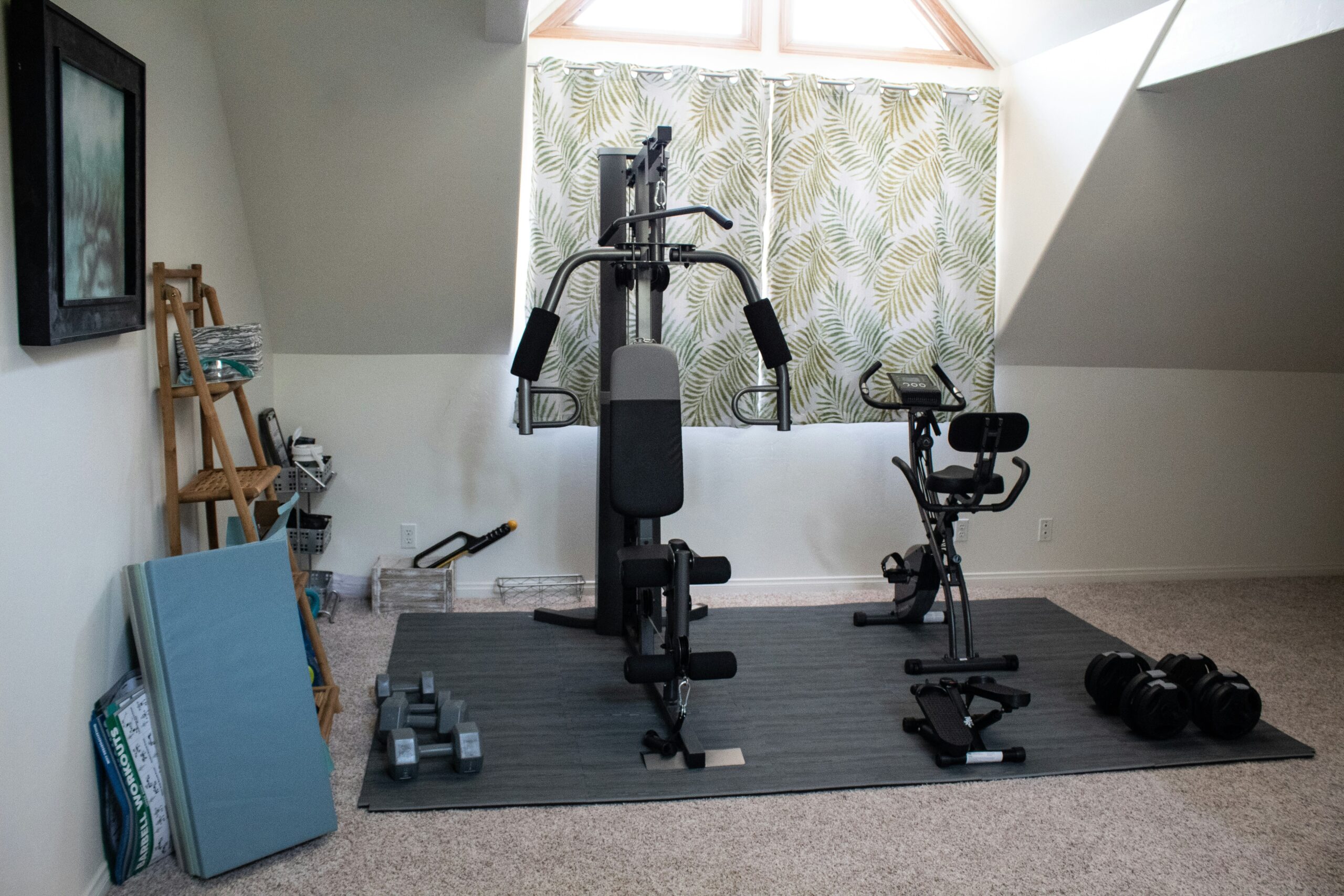
A home gym can make regular training easier, more flexible, and more enjoyable. It gives sports enthusiasts the freedom to exercise without having to travel to a fitness center. It also makes it easier to stay consistent when work, weather, or other commitments make outside training difficult.
The best home gym setup does not depend on owning expensive machines. It depends on choosing useful equipment that supports strength, endurance, movement, and recovery. Every item should have a clear purpose. With the right choices, even a small room can become an effective training space.
Adjustable Dumbbells for Strength and Control
Adjustable dumbbells are one of the most useful pieces of equipment for a home gym. They support many exercises without taking up much space. You can use them for squats, lunges, presses, rows, curls, and many other movements. They also make it easy to change the weight as your strength improves.
Sports enthusiasts can use dumbbells to build strength in both the upper and lower body. They also help improve balance because each side of the body works independently. This makes them useful for athletes who want steady progress and better control during movement.
A Strong Workout Bench for Better Exercise Variety
A workout bench gives you more options during strength training. It allows you to perform exercises in flat, seated, and inclined positions. You can use it for chest presses, shoulder presses, step-ups, rows, and split squats. A good bench adds structure to many common workouts.
Choose a bench that feels stable and secure. Strong materials and solid adjustment points matter during heavier exercises. Comfortable padding also helps during longer sessions. A reliable bench can become one of the most used items in a home gym because it works well with many types of equipment.
Resistance Bands for Flexible Training
Resistance bands are simple, affordable, and easy to store. They can support warmups, strength exercises, stretching, and mobility work. Different levels of resistance make them useful for beginners and experienced athletes. They also work well for people who need a portable training option.
You can use resistance bands for rows, presses, shoulder movements, glute exercises, and leg work. They are also useful for preparing muscles before a harder workout. Because they require very little space, resistance bands can fit into almost any home gym setup.
Cardio Equipment for Better Endurance
Cardio training helps improve stamina and supports overall fitness. A treadmill, stationary bike, rowing machine, or elliptical can make cardio workouts easy to complete at home. These machines allow you to train at your own pace and adjust the effort based on your fitness level.
You do not need a large machine if space is limited. A jump rope can provide an effective cardio workout in a small area. It can also help improve timing, coordination, and foot speed. The best cardio equipment is the option that feels comfortable and fits your routine.
Kettlebells for Full Body Workouts
Kettlebells are useful for people who want strength and conditioning in the same workout. They can be used for squats, carries, presses, deadlifts, and swings. These movements often involve several muscle groups simultaneously, making kettlebells efficient for short training sessions.
They are also easy to store and do not require a large workout area. A few kettlebells in different weights can provide enough variety for many routines. Sports enthusiasts can use them to build strength, improve coordination, and increase work capacity.
Pull Up Equipment for Upper Body Strength
A pull-up bar is a simple tool that can add a lot of value to a home gym. Pull-ups and chin-ups help strengthen the back, shoulders, arms, and core. They also improve grip strength, which can support many other forms of training.
Beginners can use resistance bands to make pull-ups easier. More advanced users can add weight or change hand positions for a greater challenge. Some pull-up stations also support hanging leg raises and other core exercises. This makes the equipment useful for more than one type of movement.
A Mat for Floor Work and Mobility
A good exercise mat provides a clean, comfortable surface for floor exercises. It is useful for stretching, core work, mobility drills, yoga, and bodyweight movements. A mat also helps protect the floor and provides better comfort for the knees, elbows, and back.
Sports enthusiasts often spend a lot of time focusing on strength and cardio. Mobility can be just as important. A mat makes it easier to add stretching and movement work before and after training. This can help create a more balanced workout routine.
Recovery Tools for Consistent Training
Recovery is an important part of regular exercise. Foam rollers, massage balls, and stretching straps can help you relax tight muscles and improve movement. These tools are simple, affordable, and easy to keep in a small area of your home gym.
Using recovery tools after training can also encourage better habits. A short cooldown may feel easier when everything you need is close by. Sports enthusiasts who train several times each week can benefit from making recovery part of their routine rather than treating it as an extra step.
A Power Rack for Advanced Strength Work
A power rack can be a useful addition for people who want to focus on heavier strength training. It supports exercises such as squats, bench presses, and overhead presses. Many racks also include a pull-up bar, which adds more exercise options.
Safety features are important when choosing a rack. Adjustable bars can provide extra support during solo training. A power rack takes up more space than smaller equipment, so it works best in a dedicated room or garage. For serious strength goals, it can serve as the centerpiece of a complete home gym.
Storage Equipment for a Clean Workout Space
Good storage can make a major difference in how a home gym feels and functions. Weight racks, shelves, hooks, and storage boxes help keep equipment off the floor. This creates more open space and makes it easier to move safely during workouts.
An organized gym can also make training more enjoyable. You spend less time looking for equipment and more time exercising. Clean storage also protects your gear and keeps the room looking professional. Even a small space can feel efficient when everything has a proper place.
Choosing Equipment That Matches Your Goals
Every sports enthusiast has different goals. Some people want to build strength, while others focus on endurance, speed, flexibility, or general fitness. Your equipment should support the type of training you plan to do most often. Buying items just because they are popular may lead to wasted money and unused space.
Start with equipment that offers the most value for your needs. You can always add more items later. A few versatile tools often provide better results than a room filled with machines you rarely use. Think about your space, budget, and training style before making each purchase.
Creating a Home Gym You Will Use
The most effective home gym is the one you use regularly. Comfort, space, and convenience all matter. Keep the room bright, clean, and easy to move around in. Place your most used equipment where it is easy to reach. Small details can make regular training feel more natural.
You do not need to build the perfect gym in one day. Start with a few important items and improve the space over time. Adjustable dumbbells, resistance bands, a bench, a mat, and a cardio option can create a strong foundation. As your routine develops, you can add equipment that supports new goals.
A complete home gym gives sports enthusiasts more control over their fitness routine. It removes common barriers such as travel time, crowded facilities, and limited access to equipment. With the right setup, it becomes easier to stay active and follow a steady schedule.