Staying active offers many benefits for people who enjoy fitness, recreation, and competitive sports. However, a successful routine requires more than motivation alone. The right essential sports gear can improve comfort, support better movement, and make each training session easier to manage. Whether you run, cycle, lift weights, play team sports, or exercise at home, practical equipment can support your goals.
At the same time, sports lovers do not need every product that appears on the market. Instead, they should focus on useful equipment that matches their activities. Good footwear, comfortable clothing, hydration products, safety equipment, and training accessories can create a strong foundation. Therefore, choosing sports gear carefully can help you build a routine that remains practical, enjoyable, and sustainable.
Athletic Shoes Create a Strong Foundation
Athletic shoes play an important role in almost every active lifestyle. Your feet support your body while you walk, run, jump, lift, and change direction. As a result, suitable footwear can make physical activity more comfortable. However, different sports require different types of movement, so one shoe may not work equally well for every activity.
Running shoes often provide cushioning for repeated forward movement, while court shoes may offer more support for quick changes in direction. Training shoes can provide a stable base for many gym exercises. Therefore, you should consider your main activity before buying footwear. You should also check the fit, grip, cushioning, and overall comfort.
In addition, athletic shoes require regular care and inspection. Worn soles may provide less grip, while damaged cushioning can reduce comfort. Because training frequency varies from person to person, there is no single replacement schedule for everyone. Instead, examine your shoes regularly and pay attention to changes in fit, support, and condition.
Comfortable Sportswear Supports Natural Movement
Sports clothing should help you move comfortably without becoming a distraction. Breathable shirts, flexible shorts, leggings, and training pants can support many forms of physical activity. In addition, moisture-managing fabrics can help move sweat away from the skin. As a result, athletes may feel more comfortable during demanding workouts.
The weather also affects what you should wear. Lightweight clothing often works well in warm conditions, while colder environments may require several layers. For example, a comfortable base layer can work with an insulating layer and lightweight outerwear. Therefore, preparing your clothing for the environment can make outdoor activities more enjoyable.
Fit matters as well. Clothing that feels too tight may restrict movement, while loose garments can sometimes interfere with certain exercises. So, look for sportswear that matches both your body and your activity. Practical clothing does not need to follow every fitness trend. Instead, it should provide comfort, flexibility, and dependable performance.
Hydration Gear Keeps Fluids Close
Hydration products belong in almost every collection of essential sports gear. A reusable water bottle makes it easy to keep fluids nearby during workouts, practices, and recreational activities. Because physical activity can increase fluid needs, easy access to water becomes especially useful during longer or more demanding sessions.
When choosing hydration gear, consider durability and ease of cleaning. A complicated bottle that is difficult to wash may become inconvenient over time. Therefore, a simple design can sometimes provide greater everyday value. Regular cleaning also helps keep bottles and hydration systems ready for repeated use.
Moreover, sports lovers can choose hydration equipment based on their activities. A standard bottle may work well at the gym or on a sports field. However, runners, hikers, and cyclists may prefer hydration packs, belts, or bottles designed for easy carrying. These options can make longer outdoor sessions more convenient.
Strength Equipment Adds Challenge to Workouts
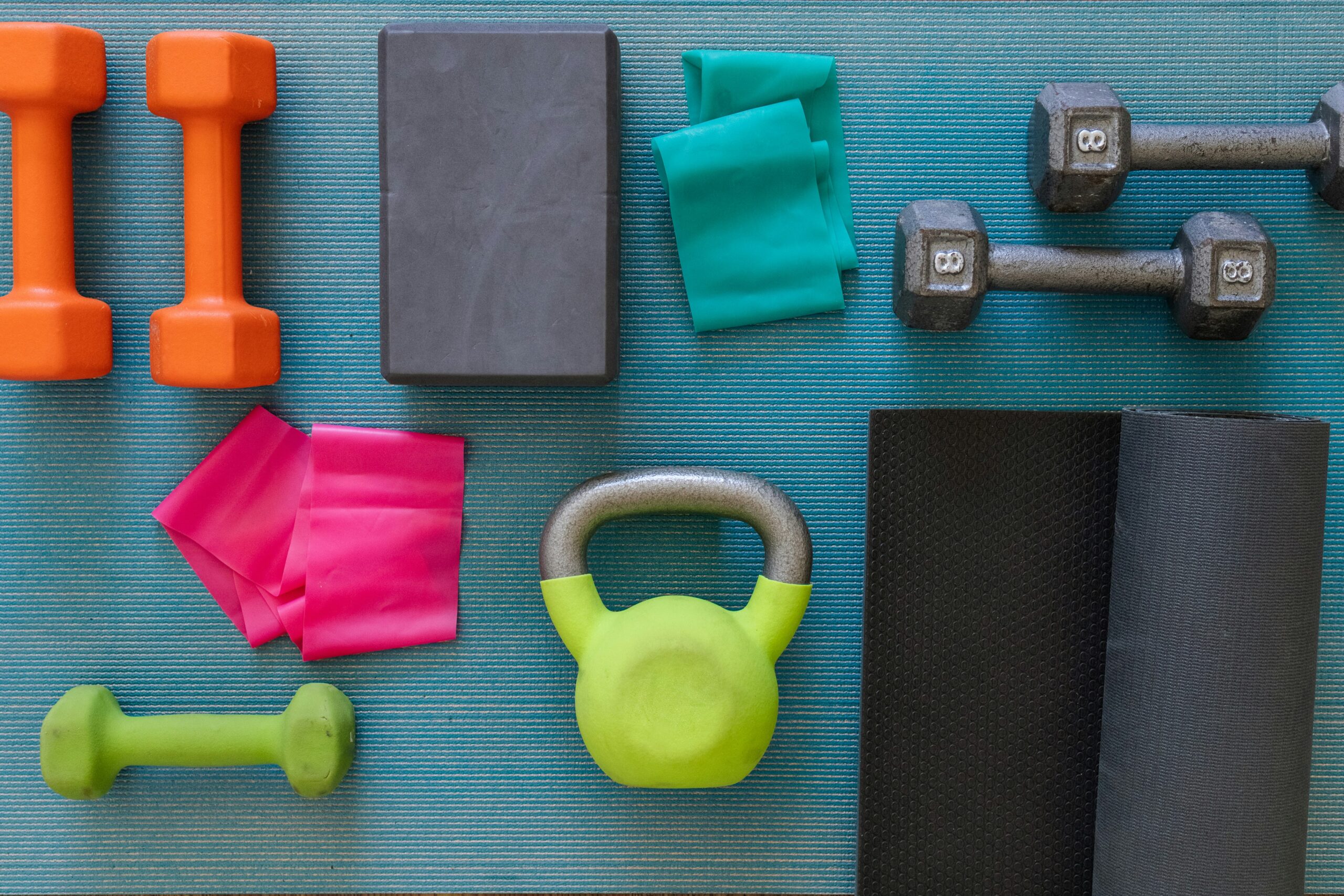
Strength training equipment can support a wide range of fitness goals. Dumbbells, kettlebells, and resistance bands allow people to perform exercises for different muscle groups. For example, athletes can use these tools for squats, rows, presses, lunges, and other controlled movements. Therefore, strength equipment can add useful variety to a regular training program.
Resistance bands offer particular value for people who exercise in small spaces. They are lightweight, portable, and easy to store. Meanwhile, adjustable dumbbells can provide several resistance options without requiring a large collection of separate weights. As a result, home fitness enthusiasts can create versatile training spaces without filling an entire room.
However, proper technique should remain more important than heavy resistance. Beginners can start with manageable loads and learn each movement before increasing the challenge. In addition, controlled repetitions can help people focus on form. Good equipment supports training, but careful movement and consistent practice remain essential.
Exercise Mats Make Floor Training More Comfortable
An exercise mat is a simple addition that can support many types of workouts. People can use mats for stretching, yoga, mobility exercises, bodyweight training, and core movements. Because many of these activities involve contact with the floor, a suitable mat can add comfort and create a dedicated training surface.
However, not every mat offers the same experience. Thickness, grip, size, and material can affect how a mat performs. A very thin design may provide limited cushioning, while an extremely thick mat may feel unstable during certain exercises. Therefore, athletes should choose a mat based on their preferred activities.
Cleaning also matters because mats regularly come into contact with hands, feet, floors, and sweat. Easy-to-clean materials can make regular maintenance much simpler. In addition, proper storage can help protect the surface from unnecessary damage. A quality mat can remain useful for years when owners maintain it properly.
Protective Equipment Supports Safer Participation
Some sports involve speed, contact, falls, or sudden impacts. Therefore, appropriate protective equipment can play an important role in reducing avoidable risks. Helmets, mouthguards, shin guards, knee pads, elbow pads, and wrist guards are common examples. However, the correct equipment depends on the sport.
Fit is especially important with protective gear. A loose helmet or poorly positioned pad may not provide the protection that its design intends. Therefore, athletes should follow manufacturer guidance and sport-specific recommendations when selecting equipment. They should also adjust straps and fasteners before each activity when necessary.